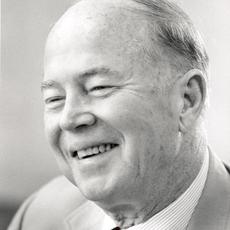
I am a geriatric social worker. Amy is a nurse. Wally has degrees from the London School of Economics and Columbia University’s Mailman School of Public Health. Nora and Marcus recently earned a PhD in social welfare and an MPA, respectively.
As you can see, none of the Hartford Program Officers went to Philanthropy School.
We have diverse backgrounds and bring a patchwork of skill sets to the Hartford Foundation’s table. What we have learned about funding has, for the most part, been on-the-job.
As a program staff, we meet often and make sharing philanthropic lessons learned and best practices part of our routine exchanges. Chris has encouraged us to openly review how we approach our grant making and how we can collectively share our experiences to better our overall operations.
And while this has been incredibly valuable, I am reminded of one of Cory’s favorite sayings: “If you have seen one foundation, you have seen one foundation.”
So I was thrilled when I was selected to participate in the second cohort of Grantmakers in Health’s Terrance Keenan Institute for Emerging Leaders in Health Philanthropy. I was excited by the prospect of convening for two days in Washington D.C. with 15 fellow funders representing philanthropies of all shapes and sizes to learn from their experiences and engage in out-of-the-box discussions regarding philanthropy.
Before attending the Institute, we were given some homework: a number of interesting articles on cultivating the next generation of philanthropic leadership, defining moments in health philanthropy, the viability of philanthropy as a career, and of course, Terrance Keenan—an inspiring program officer at the Robert Wood Johnson Foundation and a pioneering leader in health philanthropy. I learned much about Terrance Keenan and as a result, admire his vision of great philanthropic leaders as ones who are humble and take risks, who place a high premium on advocating for their grantees and making sustained social change, and who value partnerships and strive to forge collaborations (hence, the birth of Grantmakers in Health).
These are qualities to which I aspire.
The Terrance Keenan Institute afforded the opportunity to think big. We were given a rare respite from our day-to-day responsibilities to let our hair down and have candid conversations about philanthropy (risk, leadership, capacity building, venture capital, partnerships, transparency). I appreciated the level of honesty and engagement not only from the fellows, but from the committed group of faculty and former Terrance Keenan Institute participants who attended. This leadership team was brave enough to crowd source the agenda, ensuring that we were not only on board, but behind the wheel.
(Jasmine Hall Ratliff, MHA, a program officer with the Robert Wood Johnson Foundation, was a member of the inaugural Terrance Keenan Institute class and returned as a faculty member for the October session. For her perspective on the Institute, read: Terrance Keenan Institute: Leadership from Wherever You Sit.)
We’ve all been to meetings where folks mentally clocked out and checked their emails during presentations. This wasn’t one of them. We were there because we wanted to learn, network, and think about how we can collectively pool our interests, expertise, and leadership. We wanted to think about what philanthropy can be and how we can skate to where the philanthropic puck is going.
Since our October meeting, the Terrance Keenan fellows and faculty have been in contact via email and are planning to meet again in March 2013 at the Grantmakers in Health annual meeting. We are talking about future publications and how we can continue conversations launched at the 2012 Keenan Institute. I am energized by the prospect of keeping in contact with the Institute participants; I find this philanthropic buddy system extremely rewarding.
I also know that this group can provide me with new skills, resources, and a network to do my job better. And by doing my job better, I can advocate and provide better grantee-centered support to help our project leaders do a better job. Together, we can make greater change to advance the mission of the Hartford Foundation to improve the health of older Americans.