Age-Friendly Care:
It's About What Matters to You
We all deserve health care that meets our needs as we get older.
We all deserve health care that meets our needs as we get older.
Age-friendly care is health care that addresses your unique needs. It can help you stay healthy and enjoy a better quality of life.
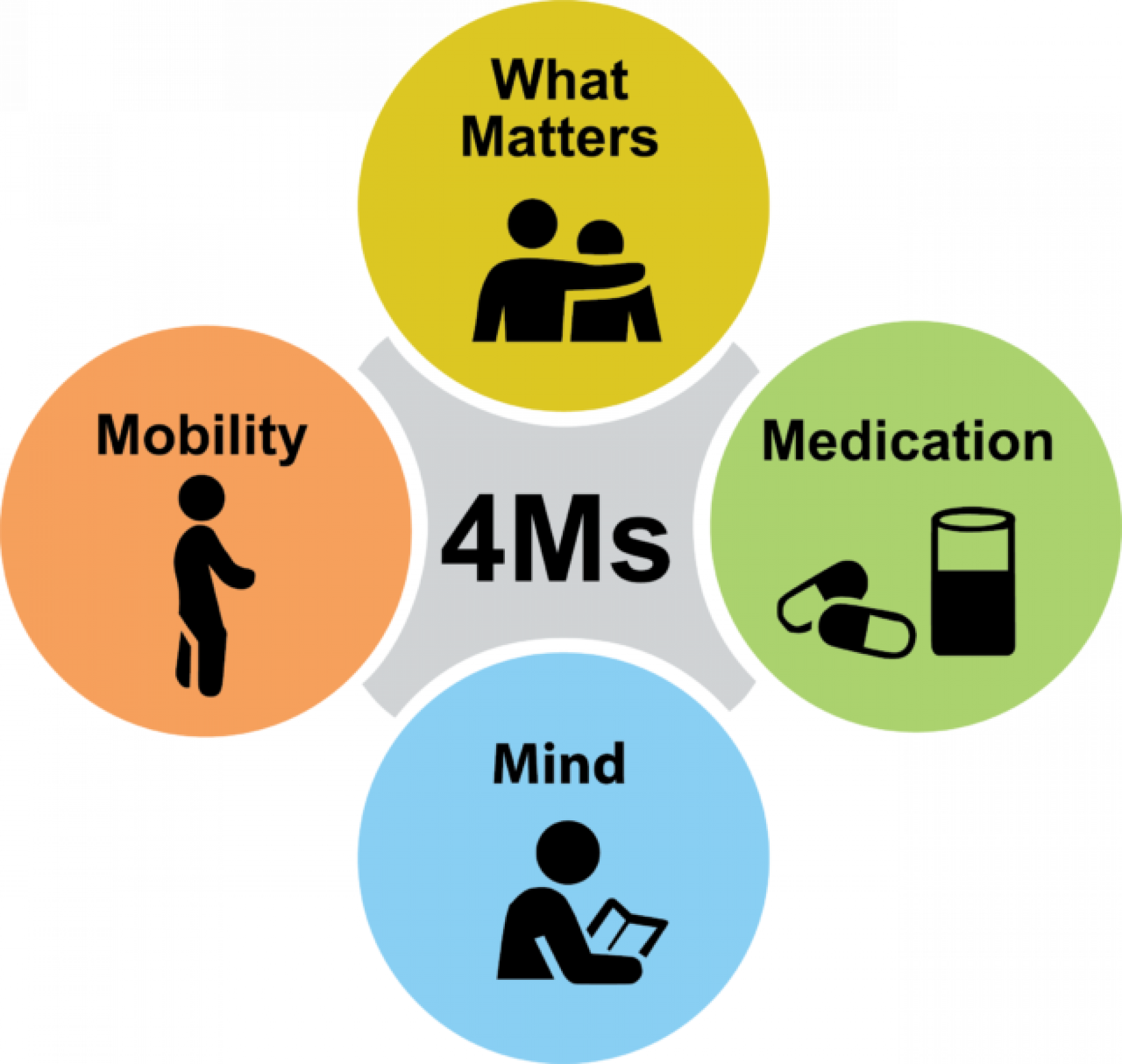
It's care based on what research shows are the most important things to pay attention to as we get older - the 4Ms: what Matters, Medication, Mind (Mentation) and Mobility.
A growing number of hospitals, practices, clinics and nursing homes are delivering 4Ms care through the Age-Friendly Health Systems initiative.
Learn more about how you can ask for age-friendly care below. Más información está aquí en español.
Explore the 4Ms: What Matters, Medication, Mind (Mentation), and Mobility
Discover curated resources from JAHF grantees to support older adults and their family caregivers.
My Health Checklist is a workbook designed to help older adults get the most out of their medical appointments.
This guide uses the 4Ms of age-friendly care to help you think through all aspects of your health — what’s going well, what could be better, and your questions or concerns. Being prepared means that you can make sure your appointment focuses on the things that matter most to you.
The guide is available in English, Spanish, Chinese and Portuguese and as an audio version.

Use the My Health Checklist guide to talk to your health care providers about the essential elements of age-friendly care known as the 4Ms.
And read below to learn about each of the 4Ms of age-friendly care:

As you age, your needs might change. It’s important for you to share your concerns, goals, wishes, needs and experiences with all of your health care providers.

You might take many medicines now, which can mean more side effects. Some drugs affect us in new ways as we age, too.
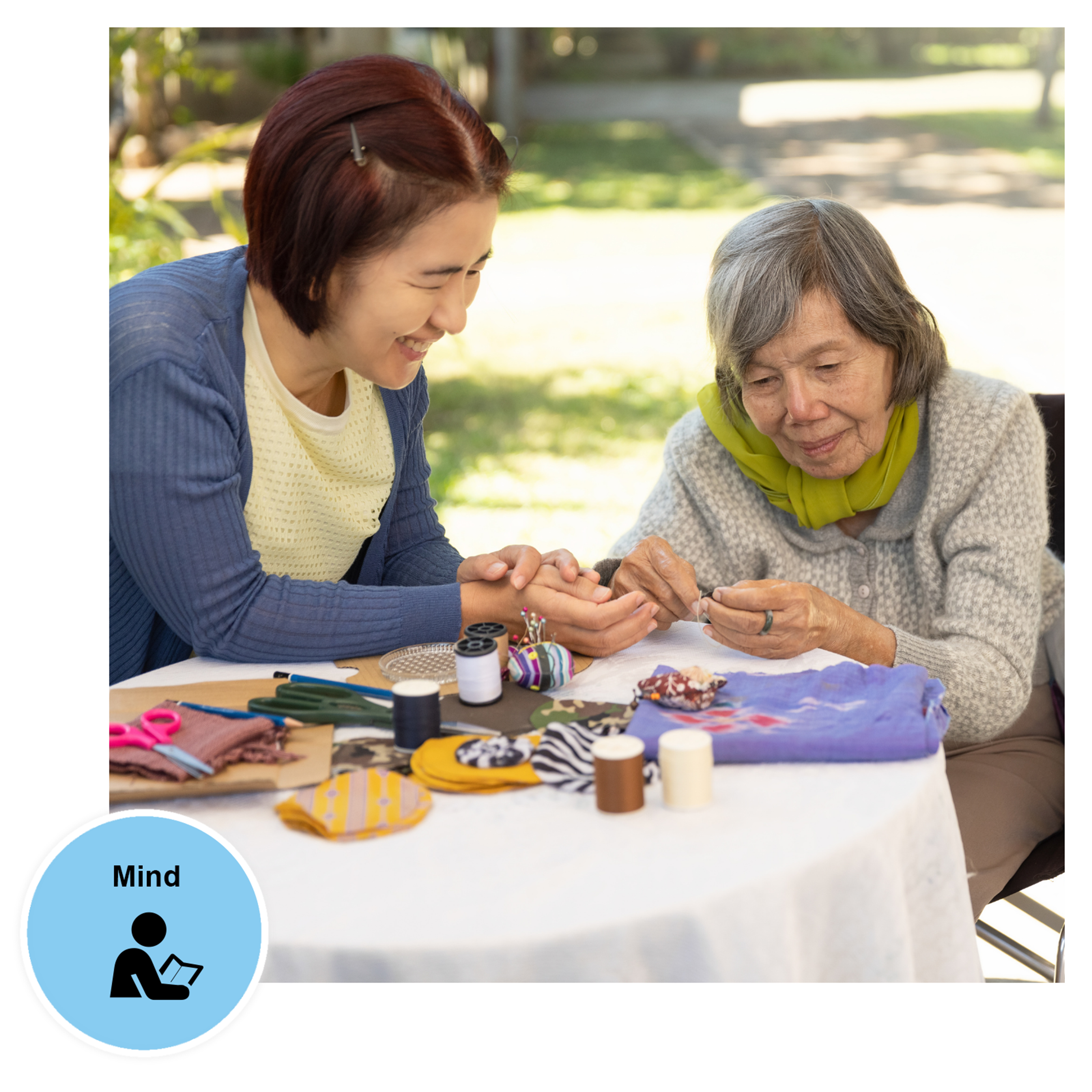
Older adults are at risk for dementia (problems with thinking, memory, and reasoning), depression (ongoing sadness or loss of interest) and delirium (sudden confusion), but there are steps you can take to lower your risk.
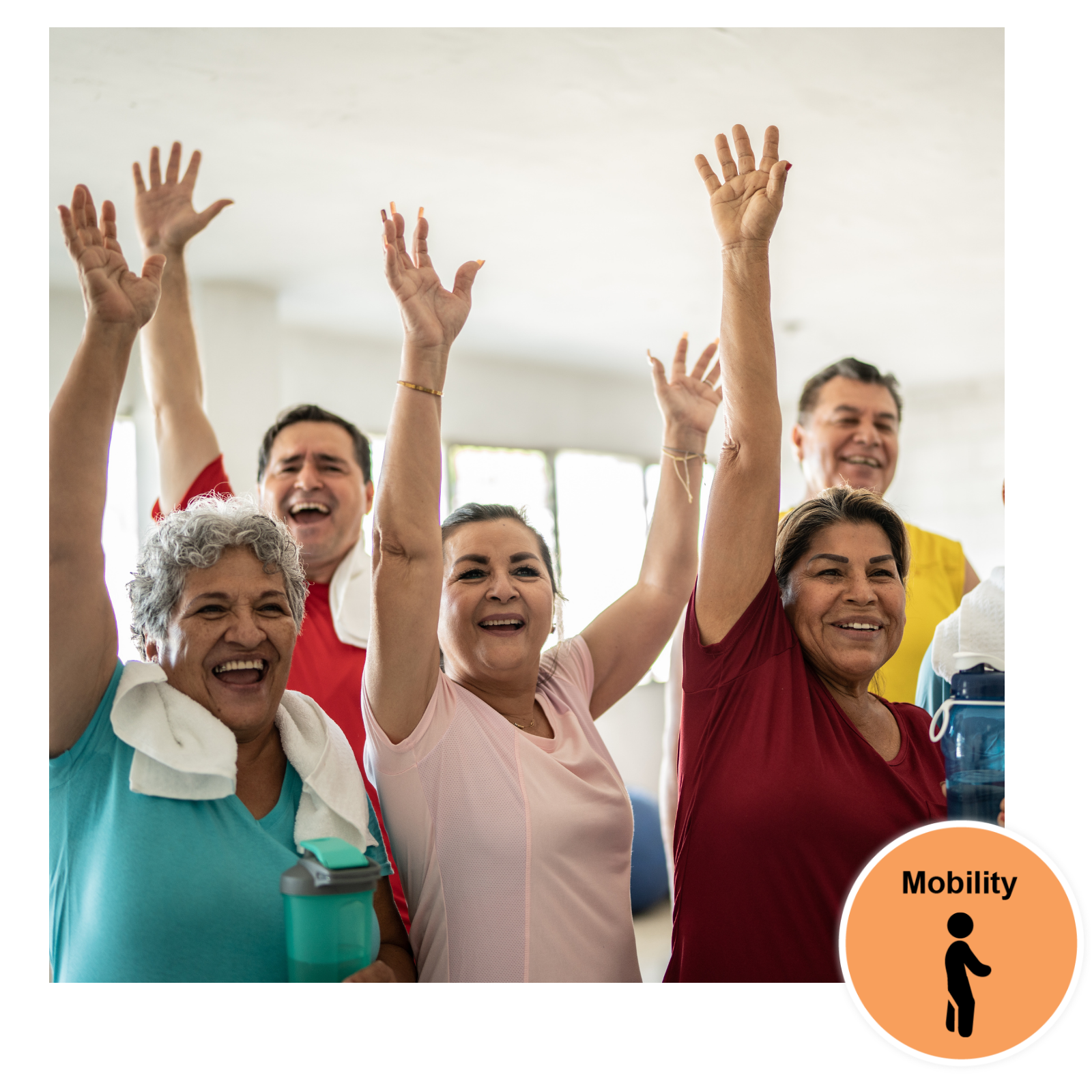
It’s important to think about how to get around safely as we get older. Staying active helps you maintain your health and independence.
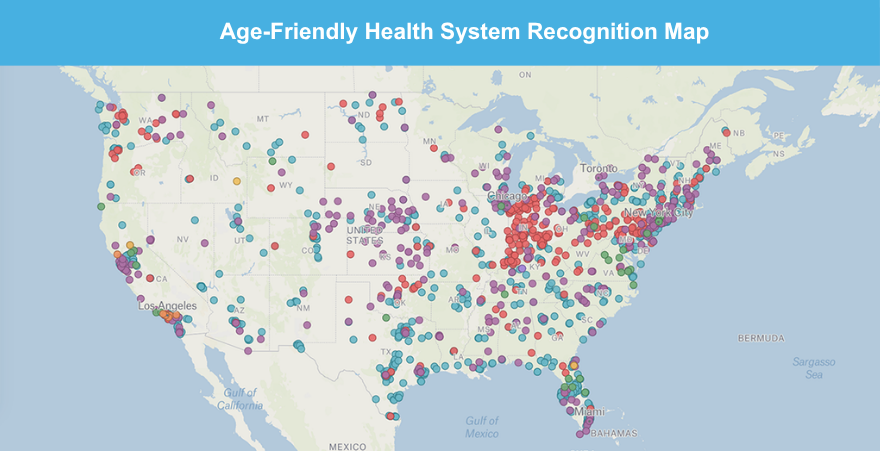
We support the Age-Friendly Health Systems initiative. It is helping hospitals, doctor's offices, retail pharmacy clinics, nursing homes and home-care providers deliver age-friendly care.
Download a spreadsheet of all recognized Age-Friendly Health Systems across levels, including addresses, and go to an interactive map of recognized sites.
The Eldercare Locator Helps You Find Age-Friendly Services in the Community
The Administration for Community Living's Eldercare Locator website connects those who need assistance with state and local agencies on aging, as well as community-based organizations that serve older adults and their caregivers. Related Consumer Brochures are available on USAging's website.
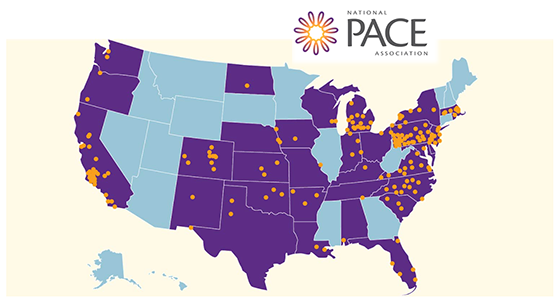
Programs of All-Inclusive Care for the Elderly (PACE) programs coordinate and provide all needed preventive, primary, acute and long-term care services so older individuals can continue living in the community.
Learn more about PACE and use the PACEFinder to find a PACE program in your neighborhood.

Palliative care is specialized medical care for people who are living with a serious illness. Palliative care focuses on relieving symptoms like pain and stress, with the goal of improving quality of life for patients and their families and caregivers.
House Call Finder Helps You Find Practices that Specialize in Home-Based Medical Care
The American Academy of Home Care Medicine's House Call Finder is a comprehensive and accessible national directory for home-based medical care that simplifies the process of locating and connecting with practices specializing in home-based medical care.
Dementia Care Programs for Family Caregivers
Best Programs for Caregiving free directory of top-rated programs that support family and friend caregivers of individuals living with dementia.
Get Online Help Navigating Caregiving
CareNav is a simple online tool from the Family Caregiver Alliance, which also has 14 fact sheets translated into Spanish, Chinese and other languages.
How-To Videos on Preparing for a Hospital Stay
AARP provides guidance on going to or leaving the hospital and on medical/nursing tasks like managing medications in a series of instructional videos for family caregivers; more tools are in AARP's resource center.
News Articles on Caregiver Support and Resources
A range of topics are explored on Next Avenue, public media’s news outlet for older adults. Read additional stories reflecting the diversity of family caregivers.
FAIR Health has created a dedicated section for older adults and caregivers with shared decision-making and treatment cost tools, educational content and other resources as part of its consumer website that promotes age-friendly care. FAIR Health's website also contains tools and resources on Alzheimer’s disease and related dementias care.

WebMD.com/AgeFriendly is an educational collaboration between The John A. Hartford Foundation and WebMD. The series includes articles on Age-Friendly Care and each of the 4Ms, stories, videos and related resources.
Watch a one-hour film narrated by Martin Sheen celebrating the promise of increased longevity while addressing crucial and unprecedented public policy challenges.
Airing on PBS: Check the film schedule for your local PBS Aging in America: Survive or Thrive airing times.
Stream it: Aging in America: Survive or Thrive is available on Amazon, Apple TV, PBS streaming platforms and PBS SoCal.
Resources: Find tools and resources that relate to programs and issues in the film.
Age-Friendly Health Systems is an initiative of The John A. Hartford Foundation and the Institute for Healthcare Improvement in partnership with the American Hospital Association and the Catholic Health Association of the United States.
For more information and to join the Age-Friendly Health Systems movement, visit www.ihi.org/AgeFriendly.
To access resources, including The Business Case for Becoming an Age-Friendly Health System, click here.