In January, shortly after the earthquake in Haiti, a distressing article hit the newswire. I was horrified to read that 84 surviving residents of the Port-au-Prince municipal nursing home lacked food, water, medicine, and basic care despite the fact that they were only a mile from the airport where aid shipments were arriving hourly.
I immediately reached out to colleagues who I thought might be able to help. Equally horrified, they leaped into action. We all knew from the post-Hurricane Katrina experience that frail older adults die quickly when they don’t receive the nutrition and medical attention they need. Although the Florida Health Care Association (FHCA) tried to arrange for the older adults’ evacuation to open nursing home beds in Florida, their efforts were blocked. The U.S. government was allowing only U.S. citizens to evacuate from Haiti to the U.S. mainland.
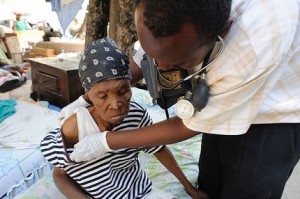 Thankfully, HelpAge International, an organization dedicated to helping older adults around the world lead dignified and healthy lives, was able to step in and help. Although their partner organization on the ground in Haiti, CARPA, was deeply affected by the quake, they quickly dispatched two doctors and four nurses to the municipal home and other hard-hit nursing homes. They followed up with a shipment of emergency supplies overland from the Dominican Republic, and began coordinating transport of the most gravely ill to hospitals.
HelpAge International is now managing Port-au-Prince’s municipal nursing home, as well as helping older adults and their families in and around Port-au-Prince. You can read updates on the situation here and here. For a different perspective, see this recent article in the Washington Post on the plight of older adults in Haiti. It focuses on the municipal nursing home, and although it acknowledges that nurses are now present to help the patients, it reports that the situation is still quite grim.
While I am relieved that HelpAge was ultimately able to reach the nursing home residents, I am saddened that unnecessary suffering and death preceded their arrival. This incident underscores the necessity of why foundations and organizations dedicated specifically to older adults are so necessary: most nonprofits and government agencies put older adults last in an emergency. As Rosaleen Cunningham from HelpAge wrote, “Time and time again, HelpAge sees this awful situation repeated. Those who are most vulnerable are last to receive aid. They are not able to queue for hours for food and emergency items, and they are not the loudest demanding to know when aid will come.”
After Hurricane Katrina, we worked with FHCA to create a disaster planning toolkit for nursing homes. Clearly, much more work is needed to increase worldwide knowledge of the importance of including older adults’ needs in disaster planning.